
Leash training isn’t just about stopping your dog from pulling or running off. It’s a way to build clear communication, boost safety, and make daily walks a lot more enjoyable for both you and your dog. When used right, a leash becomes a tool that helps you teach boundaries, practice recall, and encourage calm behavior. I’ve seen how something as simple as consistent leash work can really strengthen the bond between an owner and their pup, so here’s a guide that breaks down what makes leash training work and how you can make the most of your leash every time you step outside.
Why Leash Training Matters For Every Dog
Leash training has come a long way and is now seen as a pretty key part of responsible pet ownership. It helps keep your dog safe in busy areas, protects wildlife, and prevents unwanted run-ins with other dogs or people. Good leash manners help dogs feel more confident and less anxious, making outings smoother for everyone involved.
Learning to use a leash effectively also prepares your dog for vet visits, trips to the groomer, and situations like crowded streets or public transit. Studies show positive leash experiences reduce a dog’s stress levels in new environments (source: American Kennel Club). A solid leash routine is useful for therapy dogs or dogs aiming for competitions, as it conditions them to pay attention regardless of where you are. And for those interested in pursuing dog-friendly tourism or outdoor adventures together, strong leash skills make things safer and a lot more fun for both of you.
Picking the Right Leash For Training
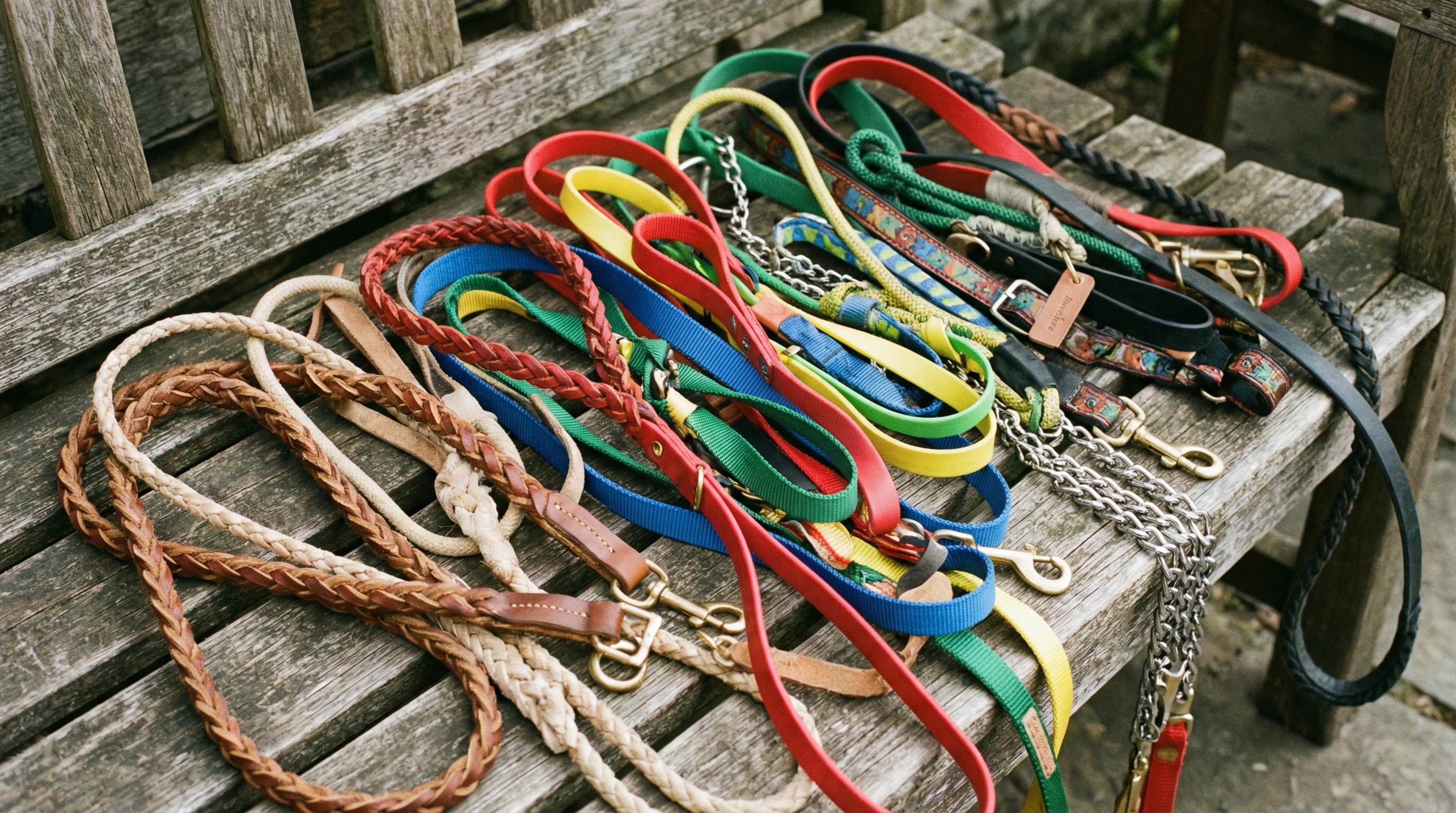
The kind of leash you choose can be a game changer. There’s a wide range, so finding one that matches your lifestyle and your dog’s needs is pretty important:
- Standard Leash: Usually about 4–6 feet, these are strong and reliable, good for everyday training and daily walks.
- Retractable Leash: These offer freedom but aren’t great for training since you lose some control and timing is tough when you’re working on commands.
- Long Line: Great for recall or distance work without the risk of losing your dog, especially in open spaces like fields or parks.
- Handsfree Leash: These attach around your waist, making them a nice choice for jogging or training sessions that involve both hands.
Material matters too. Nylon and polyester are lightweight and easy to clean, while leather is more durable and gets softer over time. For strong pullers, consider doublestitched leashes with sturdy hardware. Specialty materials like waterproof biothane can also be useful for hiking in all weather conditions.
Getting Started: Leash Basics Every Owner Should Know
Training your dog to walk nicely on a leash isn’t just about putting on the leash and going. It’s about creating habits that set you both up for a relaxed, stressfree walk.
- Start Inside: Begin leash training somewhere quiet, like your living room. Let your dog get used to the feeling of the leash dragging behind before holding it yourself.
- Positive Reinforcement: Reward your dog for walking calmly beside you. Treats, toys, or enthusiastic praise help reinforce what you want.
- Keep Sessions Short: Dogs learn better with short, positive sessions. Start with five to ten minutes and work up as your dog gets more comfortable.
- Stay Consistent: Always use the same cues and rules, whether you’re in the backyard or at the park.
- Practice Stopping: If your dog pulls, stop and wait. This teaches that pulling gets them nowhere, while walking nicely moves the trip forward.
Consistency is important. Use the same leash and harness, and stick to a routine that builds trust. If possible, set a daily walking schedule so your dog grows to expect and look forward to their leash time. For families, make sure everyone knows and follows the same leash rules so the training doesn’t get confusing for your dog.
Common Leash Problems (and How To Fix Them)
I’ve been there, and most dog owners will deal with a few bumps in the road during leash training. Here’s what usually pops up and how to work through it:
- Pulling on the Leash: This is the top complaint among dog owners. Try stopping in your tracks, turning around, or using treats to redirect back to your side every time you feel tension.
- Lunging at People or Dogs: When your dog sees another dog or person, ask for focus, like a “sit” or a “watch me,” before they lunge. Practice at a distance and move closer as your dog gets better at listening.
- Chewing on the Leash: If your pup bites the leash, try offering a toy as a distraction or use a chain leash temporarily. Keep sessions upbeat so they don’t see leash time as a punishment.
- Lagging Behind or Freezing: Some dogs feel insecure on leash. Slow down, offer encouragement, and use treats to motivate forward movement at their pace.
Pulling On the Leash
Dealing with pulling takes patience. Use rewards to keep your dog in the right spot, and walk with intention. Some folks find that a frontclip harness can also reduce pulling without causing discomfort. Even short, focused sessions where your dog walks nicely for a few minutes are worth celebrating, as small wins help motivate both you and your pup.
Lunging At Distractions
Gradually increase your dog’s exposure to triggers, rewarding calm behavior each time. If something causes repeated lunging, increase the distance for a while until your dog can manage their excitement. Sometimes, training in quiet settings first before moving to busier ones can help your dog feel less overwhelmed.
Chewing the Leash
Dogs usually chew when they’re anxious or bored. Bring a favorite toy along or keep your dog’s mind busy by asking for some basic commands during walks. You can switch up your walking route or vary the pace, which keeps things fresh and makes chewing less appealing over time.
Lagging or Freezing
Sometimes it’s about confidence. Reward even tiny steps forward and avoid dragging the leash. Let your dog explore at their own pace; confidence builds with each positive outing. If a dog consistently freezes in specific locations, try carrying them past that spot or offering treats as motivation while you gently encourage them to move.
Upgrading Your Leash Skills: Tips For Even Better Results
Once you’re getting the basics down, there are a few tweaks that can really improve your leash training:
Use a Marker: A clicker or a clear “yes!” helps your dog identify which behavior got them a reward. Markers work especially well when introducing new commands, letting your dog know precisely what action was good.
Practice LooseLeash Walking: The goal isn’t a tight grip or constant correction. Encourage your dog to keep some slack in the leash by clicking and treating every time they check in with you. For highenergy breeds, letting them burn off energy first in a safe area makes practice easier.
Switch Up Your Route: Try new paths or environments, such as parks, busy sidewalks, and quiet streets, to work on distractions and generalize training. Dogs learn that good behavior applies everywhere, not just at home. A change of scenery helps keep walks stimulating for your dog and breaks up the routine for both of you.
Incorporate Fun: Training works best when it feels like play. Try weaving through objects, stopping for sits, or adding games like “find it” (drop treats for your dog to sniff out). These keep your walks interesting and mentally stimulating. Consider teaching tricks during walks, keeping your dog mentally sharp and engaged.
Essential Leash Gear For Training Success
A few key pieces make leash training go smoother and safer:
- Padded Harness: Especially useful for dogs who pull or have delicate necks. Frontclip harnesses give extra control.
- Waist Belt or Handsfree System: Keeps your hands available for treats, cues, or even to help guide your pup through tough spots.
- Treat Pouch: Super handy for quick rewards; clip it to your belt for easy access.
- Reflective Leash or Collar: Adds visibility for evening or early morning walks.
In my own experience, making a small investment in comfortable gear can eliminate frustration and turn training sessions into something I look forward to instead of dread.
- Puppy Training: Lightweight leashes and plenty of treats help young pups stay focused and build good habits early on.
- Rescue Dogs or Nervous Dogs: Gentle, padded gear plus plenty of encouragement gives these dogs confidence on leash. Providing consistent routines helps anxious dogs feel more secure.
- Active Walkers: If you hike or run regularly, stretch leashes, shock absorbers, or bungee cords take pressure off sudden stops. Durable and waterresistant leashes are smart for adventure lovers or those frequenting muddy trails.
Frequently Asked Questions
New dog owners (and even experienced ones) often run into the same questions when it comes to leash training. Here are a few I get asked most often:
How long does leash training take?
Answer: Every dog learns at their own speed. Some pick up leash manners in a few weeks, while others might take a couple of months. Consistency is the biggest factor for steady progress. Keep your expectations in check, and remember every dog is unique.
What should I do if my dog gets reactive on leash?
Answer: Work gradually in lowdistraction places and reward calm behavior. If things aren’t improving, consider reaching out to a qualified trainer or behaviorist who uses positive reinforcement. Sometimes, teamwork with professionals brings breakthroughs you’ve struggled to achieve alone.
Can I use a retractable leash for training?
Answer: Retractable leashes make timing hard and often teach dogs to pull because of the constant tension. Stick to a fixed length leash for training sessions; you’ll see better results. Save retractable leashes for recreational walks once good leash skills are firmly in place.
Moving Forward With Leash Training
Leash training is all about teamwork. With patience, the right equipment, and a steady approach, it turns everyday walks into moments for learning and connection. Every time you clip on that leash, you’re helping your dog find their way in the world safely and confidently, and you’re building trust one step at a time.
Leash up and enjoy the ride. You might be surprised at how much your dog—and your connection—grows along the way.
🐾 The Magic String: A Dog’s Guide to Mastering the Leash
By Samuel P. Dawg (Chief Executive Tail-Wagger)
Hello, fellow explorers! You know that “magic string” your human clips to your collar before we go outside? Most humans call it a leash. Sometimes it feels like a boring tether, but I’ve learned a secret: when we use it right, it’s actually a telephone line that helps us talk to our humans without saying a single “woof.” It keeps us safe, helps us learn the rules of the road, and—best of all—means more adventures!
Why We Should Love the Leash
I know, I know—sometimes we just want to run and sniff everything at once! But the leash is our safety net. It protects us from scary cars, keeps us from getting lost in the woods, and makes sure we don’t accidentally bother other pups who might be having a grumpy day. Plus, humans get much happier (and give more treats!) when we walk nicely beside them instead of dragging them down the sidewalk like a sled team.
Samuel’s Guide to the “Magic Strings”
Not all leashes feel the same. Here’s my take on the options:
The Standard (4–6 feet): My favorite! It’s strong, reliable, and keeps me close enough to hear my human’s whispers (and smell the treats in their pocket).
The Long Line (15–30 feet): This is the “freedom” leash! It’s perfect for practicing my “come back!” commands in big open fields while staying safe.
Hands-Free: These clip around a human’s waist. They’re great for jogging or when the human needs both hands to give me double the snacks!
The Retractable (The “No-No” String): Between us pups, these are tough for training. They always have tension, which actually teaches us that pulling is the only way to move!
How to Be a Leash-Walking Pro
If you want to impress your human, try these Samuel-approved tricks:
Start in the “Safe Zone”: Practice wearing the leash in the living room first. It’s much easier to focus when there aren’t any squirrels around!
The “Red Light, Green Light” Game: If I pull and the leash gets tight, my human stops moving. That’s the “Red Light.” As soon as I step back and make the leash loose, we go again! That’s the “Green Light.”
Check-Ins: Every now and then, I look up at my human just to say hi. Usually, that earns me a “Yes!” and a delicious morsel.
Troubleshooting for Pups
If you want to Lunge: I get it—the neighbor’s cat is very exciting! Instead of lunging, try to “Watch Me” (look at your human) and wait for a reward. It’s much more profitable!
If you want to Chew: Sometimes we bite the leash when we’re bored or nervous. Ask your human for a toy to carry instead—it gives our mouths something better to do.
If you feel Scared: If you ever feel like freezing up, just take it slow. A few encouraging words and a tiny treat from your human can help you find your “brave paws.”
Samuel’s Pro-Tip: Keep our training sessions short—five to ten minutes is plenty for our busy brains! And remember: the looser the leash, the happier the human.
If you need more help for your Human, send them to my friend Eric Presnall. Before working with the K9 Training Institute, Eric was the host of the hit Animal Planet TV show “Who Let the Dogs Out”. Have them check out his fantastic FREE workshop. Tell them Sam sent you.
Samuel P. Dawg