
Bringing a new puppy into your life is super exciting, but it can also feel a bit overwhelming. One of the most effective ways I’ve found to help a young dog grow into a relaxed, friendly adult is by making socialization a top priority early on. Socializing your puppy means exposing them in a gentle, positive way to people, sounds, places, and other animals to build their confidence and help prevent fear down the road. Here, I’m going to walk you through everything I’ve learned about how to set your puppy up for success with confidence-boosting socialization steps.
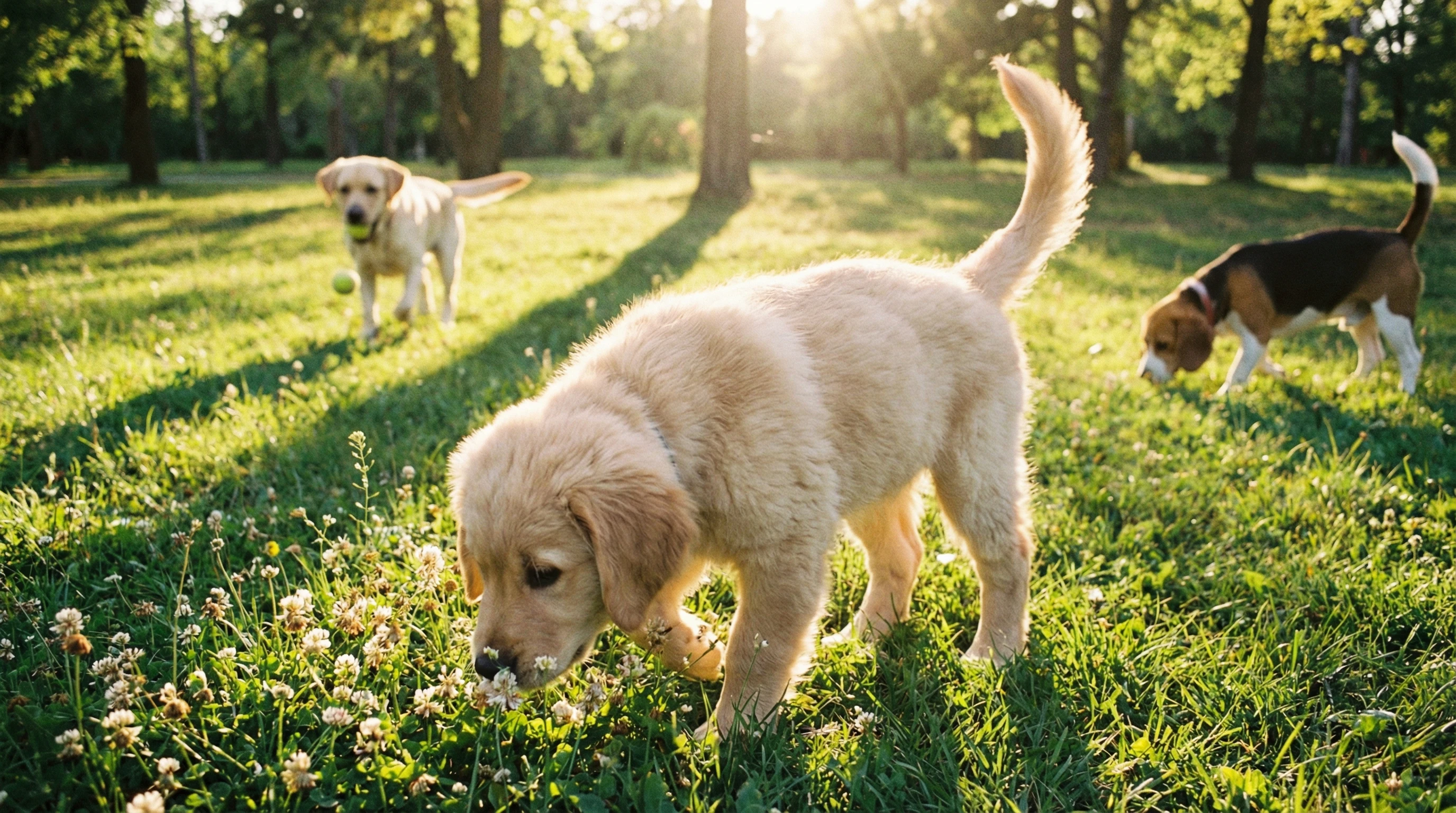
Why Socialization Matters for Your Puppy’s Confidence
Socializing your puppy is all about shaping how they see the world. Puppies who have positive experiences with new things and other dogs are way more likely to feel comfortable in new settings; they won’t get easily spooked or act out of fear. It’s a lot easier to guide a curious pup than help an anxious adult dog unlearn those fears.
Most experts agree that the prime time for socialization is between 3 and 16 weeks of age, but I’ve found that even after this period, giving your dog new experiences, gently and consistently, really helps. According to the American Veterinary Society of Animal Behavior, well-socialized puppies are less likely to develop behavioral issues when they grow up. It’s not just about play; socialization plays a huge part in how well your dog copes with stress for life.
Understanding the Basics: What Is Puppy Socialization?
When trainers and vets talk about puppy socialization, they’re mostly talking about exposing your puppy in a positive way to as many people, animals, environments, odors, sights, and sounds as possible. The goal is for your pup to have lots of good experiences, building a mental “library” of safe, interesting situations.
This often includes:
- Meeting Different People: People of all ages, appearances, and voices
- Other Dogs and Pets: Introductions to friendly, vaccinated dogs, cats, and even smaller pets
- Unfamiliar Places: Parks, car rides, bustling sidewalks, vet clinics, and petfriendly stores
- Noises and Textures: Exposure to vacuum cleaners, skateboards, elevators, hardwood floors, and grass
Puppies are like soft sponges and learn super quickly through play and positive exposure. At this stage, even a single scary experience might have a big impact, so I always stick to gentle introductions, loads of treats, and patience.
Getting Started: Easy Steps for Confident Puppy Socialization
Kicking things off doesn’t have to be complicated. I always recommend starting slow and keeping outings short and sweet. Here are some steps and ideas that usually work well:
- Keep Initial Introductions Short: Puppies can get overwhelmed quickly. A five-minute stroll through a park, short greetings with calm people, or brief sniff sessions with other dogs are plenty at first.
- Use Treats and Praise: Bring your puppy’s favorite treats to reward calm, curious behavior. Praise works wonders for confidence too.
- Let Your Puppy Set the Pace: A wagging tail or curious sniff is a good sign. If your puppy tucks their tail or hides, slow down or give them space.
- Introduce Safe, Vaccinated Animals: Only arrange puppy playdates or dog park visits once your puppy has started their vaccination schedule and you’re certain everyone is healthy.
- Explore Different Surfaces and Sounds: Walking over grass, gravel, carpets, or tile helps puppies learn that new things can be pretty cool, not scary.
I always carry a soft blanket, water, and extra snacks for breaks, especially on warm days or in busy spaces. Staying relaxed yourself makes a big difference; your puppy will look to you for cues on how to respond. Over time, your outings can get a bit longer, and you can gently increase the variety to keep challenging your puppy in a positive way.
Common Challenges (And What I Do About Them)
No matter how well you plan, things don’t always go perfectly. Here are some common issues I’ve faced with growing pups, along with what’s worked for me:
- Fear of Loud Noises: I play recordings of city sounds (like sirens or thunder) at a low volume while giving treats, slowly increasing the volume over time and making sure my puppy stays relaxed.
- Shyness Around Strangers: I avoid overwhelming a shy puppy with a big group, starting instead with quiet individuals and letting the puppy approach in their own time.
- Overexcitement: If my puppy gets too amped up, I pause the outing or introduce gentle games of tug or “find it” with treats to redirect their energy and settle them.
The main thing is to keep it positive. If something goes wrong, such as a skateboarder rushing by and scaring your puppy, it helps to take a break, offer gentle reassurance, and return to a familiar, safe spot to reset. With patience and encouragement, most minor setbacks are just learning moments.
Extra Tips for Next-Level Confidence
Once your puppy is getting used to new things, you can keep building on that foundation. Here are a few ideas I’ve found make a real difference:
Enroll in a Puppy Class: Group classes aren’t just about obedience; they give puppies the chance to meet lots of people and other dogs in a supervised, fun way. Trainers can also spot little quirks in your puppy’s body language, so you can help them even more.
Puppy Playdates: I make regular playdates with dogs I know are friendly and wellmannered. Supervised play helps puppies learn bite inhibition and appropriate play styles.
Positive Car Rides: Not every puppy starts off loving the car. I build up to longer drives with very short rides that end in fun (like a treat or a walk), so my puppy associates the car with good stuff.
Handling Practice: I touch my puppy’s paws, ears, and tail every day, offering treats, so vet visits or grooming aren’t a total shock later on. This also builds trust between you and your puppy, which really gives a boost to their confidence.
Novel Objects: I let my puppy explore umbrellas, hats, shopping bags, and other odd items at home, always with plenty of praise and rewards. By encountering new shapes, sounds, and smells, your puppy learns that unfamiliar things are just part of everyday life and nothing to fear.
Attend Outdoor Events: If your puppy seems ready, visiting a calm outdoor café or a small community event can provide safe, supervised exposure to lots of new stimuli. Be sure to watch your puppy for any signs of stress and keep these visits short at first.
Real-World Benefits: How Socialization Pays Off
The effort made during puppyhood keeps paying off for years. Some benefits I see again and again include:
- More confident walks in busy areas, even as adults
- Less nervousness at the vet or groomer
- Better manners when meeting new people or animals
- Less barking, lunging, or fearful reactions
- Stronger connection and trust between me and my dog
- Improved response to unexpected events, like crowds or surprises
Dogs who miss out on socialization often struggle with fear and anxiety, which sometimes leads to behavioral issues. Regular play, travel, and exposure to normal daily life make puppies into wellrounded, happy companions who enjoy the world instead of worrying about it.
Frequently Asked Questions
Here are some questions I hear most often from other puppy owners:
Question: When should I start socializing my puppy?
Answer: As soon as your puppy is home (usually at 8 weeks), you can start with safe, gentle exposure at home and during early outings. The sooner you begin, the more natural it feels to your puppy, but just make sure you’re protecting them health-wise until they’re vaccinated.
Question: How can I avoid overwhelming my puppy?
Answer: Watch your puppy’s body language; if they seem tense, cower, or pull away, go back a step and move at their pace. Short, upbeat sessions are way better than long or forced ones.
Question: Do all puppies get along with others right away?
Answer: Not always! Some puppies are super outgoing, but others need time and multiple tries before they feel comfortable. Stick with patient introductions and keep things positive.
Question: Is it safe to socialize puppies before all vaccines are done?
Answer: According to the American Veterinary Society of Animal Behavior, socializing before finishing vaccines is usually okay, as long as you stick to safe places (like your home or the homes of fully vaccinated dogs). Always check in with your vet about the safest approach for your puppy and area.
Final Thoughts
Guiding a puppy through the world can feel like a big responsibility, but positive socialization is one of the best things you can do for their lifelong happiness. Choosing new experiences, outings, and gentle introductions makes a real difference in your dog’s confidence and well-being down the road.
You’ll see the rewards every time your confident puppy walks calmly by your side, greets new friends politely, or bounces back from the unexpected. Have fun out there with your little buddy, and enjoy watching them blossom into a cool, collected dog who’s up for anything!
🐾 The Big Wide World: A Puppy’s Guide to Confidence
By Samuel P. Dawg (Professional Good Boy)
Hello humans! I know that bringing a tiny furball like me home is super exciting, but for us, it can be a bit scary. Everything is loud, everyone is tall, and there are so many weird smells! To help us grow into cool, collected dogs who aren’t afraid of their own shadow, we need socialization. Think of it as building a “library of awesome things” in our puppy brains so we know the world is a friendly place.
Why I Need This (And Why You’ll Love It)
When I have positive experiences early on, I learn that new things aren’t scary monsters. Most of my fellow pups are like sponges between 3 and 16 weeks old. If I learn to be brave now, I won’t grow up to be an anxious adult dog who barks at the vacuum or hides from the mail carrier. It’s all about teaching me how to handle stress for life!
What “Meeting the World” Actually Looks Like
Socialization isn’t just about playing with other dogs. It’s about letting me experience all the weird stuff in your human world in a fun way:
Meeting the Neighbors: Let me see people of all ages, voices, and even those weird things you call “hats”.
New Hangouts: Take me on car rides, to the vet (bring extra treats!), and to pet-friendly shops.
Weird Noises and Floors: Let me hear the vacuum and walk on grass, tile, and even gravel.
Other Creatures: Introduce me to calm, vaccinated dogs and maybe even those “cat” things.
Samuel’s Step-by-Step for a Brave Pup
Keep it Short & Sweet: Five minutes in a park is plenty at first. Don’t let me get overwhelmed!
Bring the Good Snacks: Reward my curiosity with my favorite treats and lots of “Good Boys!”.
Let ME Lead: If my tail is wagging, I’m good! If I hide or tuck my tail, let’s slow down and give me some space.
Wait for the Vets: Only let me play with other dogs once my doctor says my vaccines are ready.
When Things Get a Little Scary
Even a brave boy like me gets spooked sometimes. If a loud skateboard zooms by and I jump, don’t worry! Just give me a break, some reassurance, and maybe a “find it” game with treats to reset my brain. We can always try again tomorrow at a slower pace.
Samuel’s Pro Tips for Next-Level Cool
Puppy Class: It’s like a party where we learn manners and meet new friends under a pro’s eye.
Touchy-Feely Time: Touch my paws, ears, and tail every day while giving me treats. It makes vet visits and grooming a total breeze later on.
The Umbrella Test: Let me explore “novel objects” at home like umbrellas and shopping bags. If they give me treats, they aren’t scary!
Samuel’s Closing Thought: The effort you put in now means that when I’m a grown-up, I’ll be the dog everyone wants to meet at the outdoor café. I’ll be confident, polite, and ready for any adventure you throw my way!
If you need more help for your Human, send them to my friend Eric Presnall. Before working with the K9 Training Institute, Eric was the host of the hit Animal Planet TV show “Who Let the Dogs Out”. Have them check out his fantastic FREE workshop. Tell them Sam sent you.
Samuel P. Dawg