
Creating a safe training space at home makes workouts more enjoyable and way less stressful. Having a spot that’s free of tripping hazards, slippery floors, or falling equipment can help you focus on hitting your fitness goals, no matter your experience level. If you’re tired of tiptoeing around furniture or pausing every five minutes to move clutter, you’ll find a well-planned training space is the game changer you never knew you needed. I’ve pulled together some practical tips and ideas to help set up a home workout area that’s both safe and motivating.
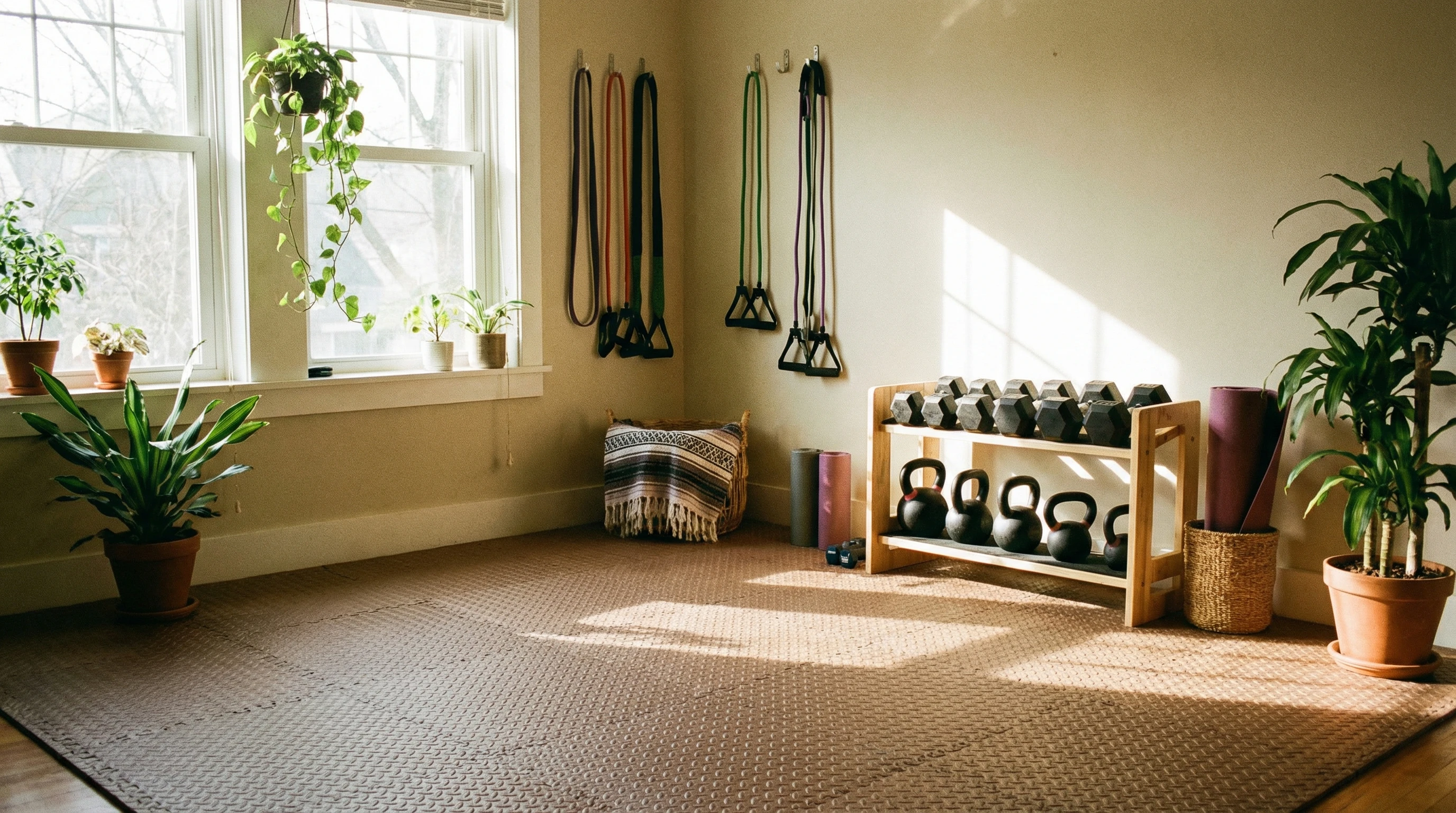
Why Setting Up a Safe Home Training Space Matters
Home workouts have boomed over the past few years, and it’s easy to see why. Convenience, flexibility, and privacy are all pretty appealing. But the risks you face in a living room or basement often go unnoticed until something gets bumped, dropped, or worse yet, someone gets hurt. Creating a dedicated area isn’t just about style. It’s about working out with more confidence and fewer distractions.
An inviting, hazard-free training space keeps injuries at bay, which means you can stay on track with your fitness routine. Plus, a tidy, personalized area makes it easier to stick to new habits and get more from your sessions, whether you’re stretching, lifting, or following along with a HIIT video. You’ll also find that dedicating a place to exercise helps mentally prepare you for each workout, turning it into a meaningful routine instead of just another task squeezed into your day.
Getting Started: Scouting Out Your Training Spot
The best training space is often the one you already have, just used more intentionally. Start by taking a look around your home and ask what space you can consistently clear and comfortably move in. Spare bedrooms, garages, basements, or even the corner of a living room can become a good workout spot with the right tweaks.
- Measure Your Space: Make sure you have enough room to move freely. I usually look for an area about the size of a yoga mat at minimum, and larger if I’m doing more dynamic routines.
- Check for Hazards: Remove anything you might trip over or accidentally hit, like coffee tables, loose rugs, or low hanging decorations.
- Lighting: Good lighting, whether natural or artificial, helps prevent stumbles and gives your mood a boost. If you’re stuck in a windowless room, bright overhead LED lights can work wonders.
- Ventilation: Working out in a stuffy room isn’t fun. If possible, open a window or use a fan to keep air moving.
Sometimes, just rearranging furniture or clearing away unused items can create more usable floor space than you’d imagine. Don’t hesitate to experiment with moving things around until you find the setup that feels most functional and welcoming. Remember, the goal is to make your workout area inviting enough that you’ll want to come back again and again.
Outfitting Your Space: Safety Gear and Flooring
After your training spot is locked in, it’s time to focus on safety gear and flooring. These two details can be the difference between a great workout and an avoidable injury.
- Flooring: Hard floors are unforgiving on joints and can cause slips, while carpet can catch your footing mid burpee. I stick with interlocking foam mats or thick yoga mats for shock absorption and grip. If you’re lifting weights, rubber tiles help protect both you and your floors.
- Protective Equipment: Depending on your workout style, wrist wraps, knee sleeves, and supportive shoes all help cut down your risk of strains and sprains.
- Storage: Keep equipment like dumbbells, resistance bands, or medicine balls stored to the sides when not in use. A simple rack or even a large basket prevents clutter from turning into ankle turners.
Besides the basics, consider installing wall hooks for jump ropes or suspension trainers and using sturdy shelves for lighter items. These small tweaks not only keep your space clear but also help speed things up during circuit workouts by making your gear easy to grab and put back. If your household includes children or pets, make sure heavy items are stored low and secure, and use soft sided bins to reduce bumps or bruises.
Quick Safety Checklist Before Every Workout
Even with the best setup, a quick once over before you get started helps keep things safe session after session. Here’s what’s on my usual checklist:
- Clear the Floor: Double-check for toys, shoes, or pet bowls. These sneak into the workout space more often than you’d think.
- Secure Equipment: Test any benches, racks, or large gear for wobbling before using. Mats should sit flat and not curl up at the edges.
- Check Lighting: Make sure the space is bright enough for you to see everything without straining.
- Stay Hydrated: Keep a water bottle within easy reach to avoid unnecessary trips mid set.
It’s quick but keeps surprises to a minimum. By building this little routine into your warm up, you set yourself up for a smoother, safer workout every time.
Things You’ll Want to Consider for Different Workout Styles
Customizing your training space depends on how you like to work out. Even a small tweak for your chosen activity can go a long way for safety and comfort.
- Strength Training: Reinforce the flooring under heavy weights, and give yourself enough room to fully extend your arms or legs safely. Double check the weight limits of any racks or benches, especially if you’re getting into heavier lifts.
- Yoga and Pilates: Soft mats are a must, and it’s handy to have a clear wall nearby for balance poses. Keep mirrors behind suspect for safety, since falling into one is no joke. Consider adding a calming element like a plant or diffuser for a more inviting vibe.
- Cardio Workouts: Jumping jacks, burpees, and kickboxing need extra clearance, so push tables and chairs out of range, and make sure ceiling fans are out of reach on jumping moves. Lay down mats to absorb both impact and some of the sound, making it easier on your joints and your ears.
You might also want a designated space for stretching or using foam rollers, separate from your main work area. Keeping these zones distinct can help you transition smoothly from an active session to your cool down routine.
Noise Control
It’s easy to forget just how loud workouts can get, especially with jumping or running in place. If you share your home with others or live in an apartment, using mats to absorb sound and wearing headphones instead of blasting music are practical choices. Adding soft furnishings like curtains or area rugs around your space helps soak up even more noise, making everyone’s day better. If outside noise distracts you, consider a white noise machine or background playlists that help you concentrate.
Staying Motivated and Organized
Besides just being safe, a tidy and inspiring space can push you to stick with your routine. I like to keep my favorite towel within reach, store bands and smaller gear in a colorful bin, and sometimes hang up a motivational print or two. If I’m using a screen for workouts, setting it up at eye level makes following along smoother and less distracting.
Tracking your progress can ramp up motivation as well. Consider adding a simple dry erase calendar or board to jot down your workouts. You’ll get a boost seeing your streaks add up week after week. Some people pin up a routine checklist or inspirational quotes for that extra push on days when energy is low.
Common Questions About Home Training Safety
Here are some super common questions I get from friends who are just starting out:
How much room do I really need?
A space roughly the length of your body plus a couple feet on all sides is often enough for most solo routines. Some folks make do with just a sturdy mat and enough headroom for overhead stretches. If you’re adding equipment like barbells or bikes, measure it out and give yourself some buffer.
Can I work out on carpet?
Carpet works for many routines but comes with some downsides. Shoes can stick, and mats may slide. Adding a proper exercise mat on top gives you better support and grip. Watch for anything that could bunch up under you so there are no surprise trips or stumbles mid workout.
What if I don’t have a lot of extra space?
Even a corner can work. Clear away clutter before sessions and focus on bodyweight exercises or routines that skip large equipment. Move furniture if you need, and use walls or doors for stability during certain movements.
Are mirrors safe in a home gym?
Mirrors help with form checks and self motivation, but be smart about where you mount them. Always secure mirrors properly and keep them off the floor where they could tip or shatter. If space is tight, skip floor length mirrors and stick with smaller, wall mounted options.
Real-World Examples: Home Training Setups That Work
I’ve seen all kinds of setups, from closets turned into ministudios to garages transformed into full on weight rooms. My friend Sarah loves her garage gym, layering the floor with rubber tiles and storing kettlebells on low shelves. Even small spaces like my cousin’s apartment corner have been turned into inviting yoga spots with just a thick mat and a basket for gear. You don’t need fancy equipment to get big results—what matters most is making your setup intentional and adjusting when your needs change.
- Garage Gyms: Loads of space for both weights and cardio, plus good airflow with the doors open.
- Spare Bedroom Studios: Great for yoga, cycling, or streaming workouts. Keep equipment and cords neatly tucked away so you aren’t tripping or tangling yourself up mid routine.
- Living Room Nooks: If you clear space before each workout and stay organized, you can get in a full routine right in front of the couch. Rolling up a rug or pushing the coffee table aside for 30 minutes is all it takes to squeeze in a sweaty session even in tight quarters.
You can also use outdoor spaces like patios or driveways for added variety when the weather cooperates. Fresh air and new scenery can add excitement to your usual routine, just make sure outdoor surfaces are even and free of debris.
Staying Safe for the Long Haul
Sticking with your workouts shouldn’t mean dealing with aches, bruises, or accidents. Keeping your home training space safe is really important for progress and peace of mind. Keeping things organized, staying mindful about gear and floor quality, and adapting your space to fit your routines are the best moves for long term success.
Everyone’s home setup looks a little different, but with some planning and regular check-ins, you can build a training zone that keeps you feeling strong, comfortable, and ready to tackle your fitness goals any day of the week. A safe home workout space isn’t just practical. It’s the best place to make progress and feel good about every session. Remember, as your fitness goals grow or your household changes, don’t hesitate to adjust your training spot. Periodically look over your setup and tweak it so it keeps working for you; your health and motivation are worth it. Wrapping up, a safe home workout area is the foundation for a fun, sustainable fitness adventure from the comfort of your own home.