
Training a dog to come when called is one of those skills that just makes life so much smoother for both dog and human. It builds trust, keeps your pup safer during offleash play, and honestly, helps you enjoy more freedom together. Teaching the “come” command isn’t always straightforward, though—it can feel like your dog is ignoring you on purpose. But with the right tools, some patience, and plenty of positive vibes, I’ve found it’s totally possible to get great results. Here’s everything you need to know about mastering the “come” command, plus some tips and tricks that have worked for me and lots of other dog folks.
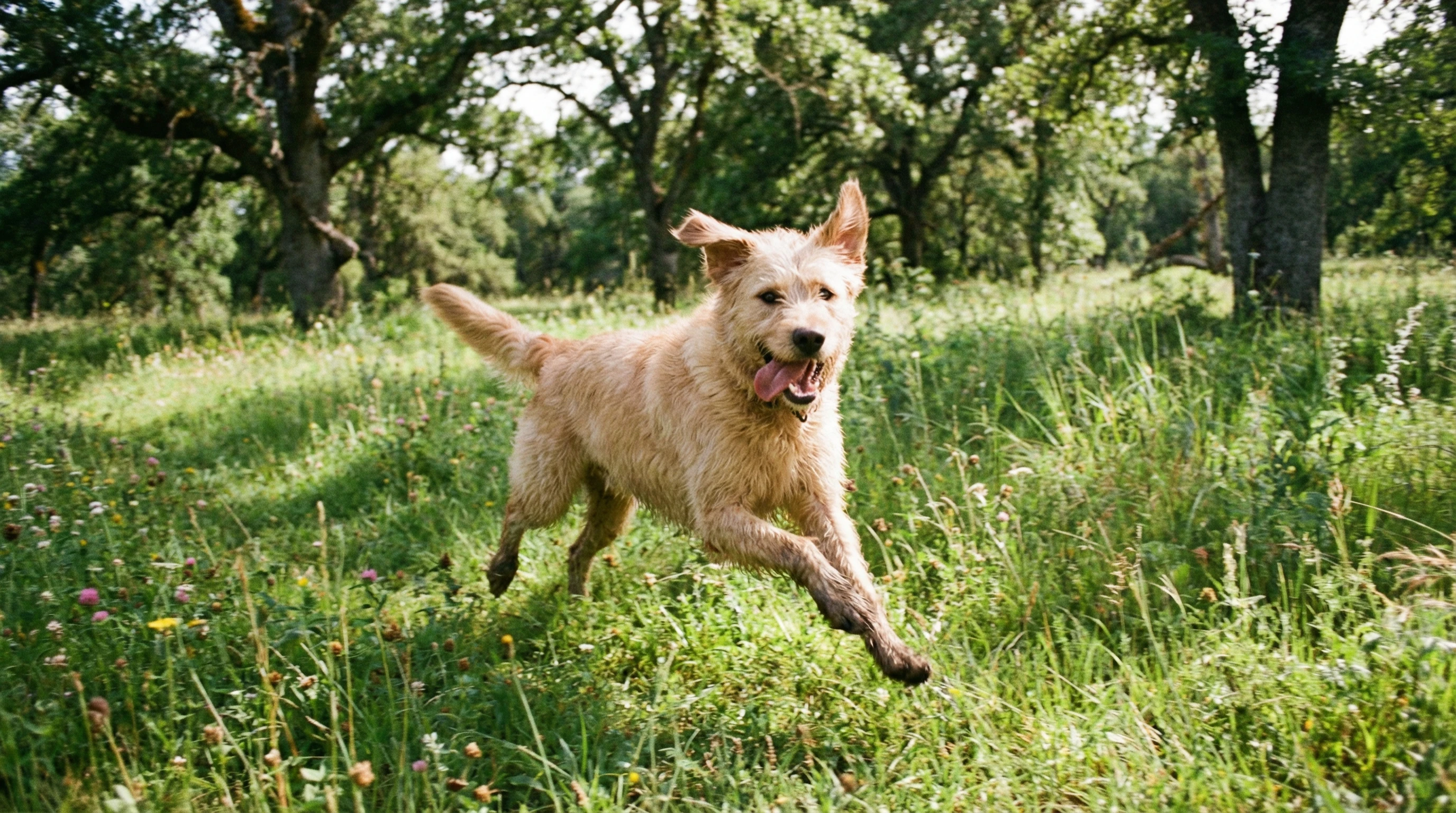
Why Teaching “Come” Matters for Every Dog
The “come” command is super important for a dog’s safety and your peace of mind. Whether you’re at a busy park or just hanging out in your backyard, being able to call your dog back can keep them out of trouble. Lots of trainers agree this should be taught early, but even older dogs pick it up with some patience.
Dogs are naturally curious, and it’s easy for them to get distracted. Think squirrels, mail carriers, or just new smells in the air. The “come” command helps you reconnect their attention and stay in control. I’ve also noticed that the more reliably a dog comes when called, the more freedom owners feel comfortable giving them. That’s a real win for both sides.
Getting Started: The Basics of Recall Training
If you’re new to training or just want a refresher, starting with the foundation of the “come” command lays everything out nicely. Dogs usually respond best to consistency, short training sessions, and rewards they really value.
- Treats and Praise: Most dogs find tasty treats super motivating. I always have a handful of small, soft treats in my pocket.
- Leash or Long Line: A long leash gives you more control outdoors and helps your dog understand what’s expected.
- Minimal Distractions: Early training goes best in boring spots, like your living room or a fenced backyard.
Start by crouching down, calling your dog’s name, and saying “come” in a cheerful, upbeat tone. When your pup arrives—even if they take the scenic route—reward them like they just won an Olympic medal. Repeat, keeping it fun and stress-free.
Step-by-Step Guide to Building a Reliable Recall
Building a strong “come” command takes a bit of a process, but once you get the hang of it, it feels pretty routine. Here’s how I usually break it down:
- Short Distance Success: Begin close to your dog. Say their name and “come.” As soon as they move toward you, reward immediately.
- Add Some Distance: Gradually move farther away. Keep using an excited voice and reward generously every single time.
- Practice on Long Lines: Grab a 15 to 30 foot leash for outdoor practice. Make it a game and call them when they’re distracted, then reward if they choose you over everything else.
- Introduce Distractions Slowly: Practicing around other dogs, people, or noises helps solidify the command. Start small and build up as your dog succeeds.
- Random Rewards: Once your dog is reliable, you can start phasing out treats every single time. Mix it up so your dog stays motivated.
This routine works for puppies and older dogs alike. You just need to keep it positive and clear. If your dog struggles, drop back to an easier step or reduce distractions.
Things to Consider Before Starting Recall Training
Teaching “come” is pretty simple, but there are some roadblocks that lots of owners (myself included) have run into. Here’s what to keep in mind for a smoother experience:
- Consistency Is Key: Every family member should use the same command and tone. Dogs get confused if the word changes.
- Don’t Use “Come” for Negative Stuff: If your dog only hears “come” before baths or vet visits, they’ll start to ignore it. Instead, use it for good stuff—meals, playtime, walks—at least at first.
- Reward Every Effort at First: Early on, it’s better to have too many treats than too few. Gradually switch to verbal praise or toys as your dog catches on.
- Never Chase: If your dog ignores “come” and bolts, avoid chasing them. It usually turns into a game you’ll never win!
Dealing with Stubborn Moments
Every dog has a stubborn day (or week). If your dog freezes, runs away, or just ignores you, it’s usually a sign that distractions are too strong or the reward isn’t tempting enough. Go back a step, bring out something really special, like cooked chicken or a favorite squeaky toy, and make yourself more interesting than whatever else is grabbing their attention.
Practicing in Safe Spaces
Always practice recall in safe, enclosed areas before letting your dog offleash in open parks. This builds trust and keeps things stressfree for both of you.
Advanced Recall Tips and Tricks
Once the basics are down, you can really polish up your dog’s recall and make it reliable in almost any situation. Here are some of my favorite techniques that go beyond the basics:
Change Up the Rewards: Keeping things unpredictable makes coming back to you way more exciting. Sometimes offer a treat, sometimes toss a favorite ball, or give extra attention and play.
Practice With a Friend: Recruit someone else to call your dog and reward their return. This makes “come” less about one person and more about a general rule.
Increase Distractions Gradually: Add in new environments, like busy parks, trails, or places with wildlife. Stay on leash or use a secure long line until you’re confident.
Play Recall Games: Hide and seek is the classic! Hide somewhere in the house or yard and call your dog. They’ll love hunting for you, and it sharpens their focus.
Every dog learns at a different pace, so keep sessions short, positive, and always end on a high note.
Mix in Some Variety: Dogs love a little unpredictability. Sometimes, surprise your dog with a super special treat, and other times, offer an energetic game of tug or quick belly rub. This variety keeps your dog guessing and makes coming back to you more exciting each time. If you have more than one dog, turn recall time into a little friendly race to you, rewarding each for participating.
Real-Life Benefits of a Great Recall
A reliable “come” command can truly add freedom to your adventures together. I’ve seen it turn timid hikers into trail leaders and give city dogs more room to explore in safe green spaces. Even if you never plan to have your dog offleash outdoors, the command comes in handy. Just think about a door left open, or a sudden distraction on a walk.
- Outdoor Fun: Letting your dog run safely at the park feels less stressful when you know they’ll return.
- Safer Socializing: Dogs who return on command can greet new friends or avoid sticky situations without issue.
- Emergency Situations: A rocksolid recall is perfect if you need your dog back quickly, like around cars or wildlife.
Dogs seem to pick up on the positive energy after a successful recall, and it turns up the relationship over time. Plus, knowing that you can call your dog back anytime gives you peace of mind and opens up so many more adventures together. You’ll find that your bond will strengthen as your dog learns to trust you more in various situations, helping both of you grow in confidence.
Frequently Asked Questions
Here are some questions that usually pop up when people are working on the “come” command with their dogs:
Question: What if my dog only comes when there aren’t any distractions?
Answer: Try lowering your expectations at first. Practice with fewer distractions and build up gradually. The more your dog succeeds, the more confident they’ll become in all environments.
Question: Should I use a whistle or stick with my voice?
Answer: Either works, but whistles cut through background noise and sound the same every time. Some folks combine both; a voice command for close range, whistle for distance.
Question: When can I try offleash recall?
Answer: Wait until your dog comes to you reliably, even when there are distractions, in a safe area like a fenced yard or on a long line. Safety first, always.
Question: What if my dog used to come perfectly but suddenly ignores me?
Answer: Dogs can go through phases just like people. Check to make sure you haven’t accidentally used “come” before something your dog dislikes. Go back a few steps in your training, ramp up those rewards, and practice in easier environments for a bit before increasing the challenge again.
Keeping Things Fun and Consistent
Training recall gives you a more connected and funloving relationship with your dog. With steady practice, high-value rewards, and a clear routine, most pups learn to come running back to you—even in distracting places. Celebrate every little win, mix up rewards, and always keep training upbeat. The more you turn the “come” command into something worth celebrating, the better your results will be. Happy training!
🐾 The Great Recall Race: A Dog’s Guide to Mastering “Come!”
By Samuel P. Dawg (Chief Executive Tail-Wagger)
Hey there, fellow pups! Have you ever been in the middle of sniffing the perfect blade of grass when your human starts making that loud “Come!” noise? I know, it’s a tough choice. But I’ve learned a secret: when we run back to our humans, life gets so much better for everyone! It means more trust, more off-leash adventures, and way more snacks.
Why I Love Running Back to You
When I hear that magic word, it’s not just a command; it’s an invitation to a party! Mastering recall keeps us safe from scary cars and grumpy squirrels, and it makes our humans feel much more relaxed. Plus, the better I am at coming when called, the more my human lets me run free in the park. That’s a total win for my paws!
Samuel’s Starter Kit for Success
If you want us to come running, you need the right “bait”—I mean, tools:
The High-Value Goods: I’m talking cooked chicken or those extra-stinky soft treats.
The Safety String: A long line (15–30 feet) is great for when I’m still learning.
A Boredom-Free Zone: Let’s practice in the living room first before we try to compete with the park smells.
How to Train Your Dog (From a Dog’s Perspective)
Humans, follow these steps and my tail will be a blur:
Start Close: Crouch down, use your happy “excited” voice, and call my name.
Reward Like Crazy: When I get to you, act like I just won a gold medal!
Use the Long Line: Practice outdoors where I can wander a bit, then reel me in for a prize.
Add the Hard Stuff: Slowly try calling me when I’m distracted by a leaf or a neighbor.
Keep Us Guessing: Once I’m a pro, mix up the rewards—sometimes a treat, sometimes a belly rub, sometimes a game of tug!
Samuel’s “No-No” List for Humans
Don’t Be a Party Pooper: If you only call me “Come” for baths or vet visits, I’m going to start “losing” my hearing. Use it for the fun stuff!
Don’t Play Tag: If I bolt, never chase me. I’ll think it’s a game and I’m much faster than you. Instead, run the other way and I’ll chase you!
Be Consistent: If you say “Come” and the neighbor says “Here,” my puppy brain gets confused.
Samuel’s Pro-Tip: If I’m having a “stubborn day,” don’t get mad! Just go back a step, pull out the extra-special chicken, and remind me why you’re the most interesting thing in the park.
If you need more help for your Human, send them to my friend Eric Presnall. Before working with the K9 Training Institute, Eric was the host of the hit Animal Planet TV show “Who Let the Dogs Out”. Have them check out his fantastic FREE workshop. Tell them Sam sent you.
Samuel P. Dawg