
Helping pets overcome their fear of the vacuum involves a process called desensitization and counter-conditioning. To a dog or cat, a vacuum is a loud, “aggressive” predator that smells strange and moves unpredictably.
1. Introduce the “Sleeping Monster” (Vacuum Off)

The goal is to make the vacuum just another boring piece of furniture.
- Leave it out: Place the vacuum in a central room while it’s turned off. Let your pet sniff and investigate it on their own terms.
- The Kibble Dispenser: Scatter high-value treats around the base of the vacuum. You want them to think, “When this weird thing is around, good snacks appear.”
- Slow Movement: Once they are calm near it, move the vacuum manually (still turned off) while tossing treats. If they lunge or run, you’re moving too fast.
2. Desensitize to the Sound (At a Distance)
The noise is often the biggest trigger.
- Sound Recordings: Play vacuum sounds from YouTube or an app at a very low volume while your pet is eating or playing. Gradually increase the volume over several days.
- Short Bursts: Have a helper turn the vacuum on in another room for just 2 seconds, then turn it off immediately. Reward your pet the moment they hear the noise.
- Increase Duration: Slowly build up to longer bursts of sound, always pairing the noise with a “jackpot” of their favorite treats.
3. Create a “Safe Haven”
If training is still in progress, don’t force them to “face their fears” during your regular cleaning routine.
- A Quiet Space: Put them in a back room with a white noise machine or calm music to drown out the vacuum.
- Distraction: Give them a long-lasting treat, like a frozen lick mat or a food puzzle toy, before you start cleaning. This keeps their brain busy with something positive.
4. Training Alternate Behaviors
Instead of letting them panic, give them a “job” to do.
- “Go to Your Mat”: Teach your dog a solid “place” command. If they know they are safe and rewarded for staying on their bed while you vacuum the other side of the room, they will feel more in control.
- Walks: If the stress is too high, have a family member take the pet for a walk while you vacuum. They’ll return to a clean, quiet house without the trauma.
Quick Tips for Success
- Watch Body Language: If you see lip licking, yawning, or a tucked tail, stop the session. You are past their “threshold.”
- Never Chase: It might seem like a game to us, but chasing a pet with a vacuum can create a lifelong phobia.
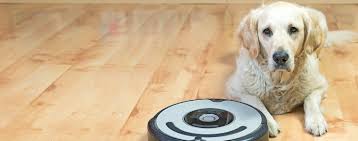
- Consider a Robot: Some pets find robotic vacuums less threatening because they are smaller and quieter, though they still require a slow introduction.
The Roaring Floor-Beast: A Survival Guide by Sam P. Dawg
Listen up, fellas. We need to talk about the “Vacuum.” To us, it’s a loud, aggressive predator that smells like burnt dust and moves like a caffeinated squirrel. But Sally Trainer has been teaching me that we don’t have to live in fear.
Here is how I learned to stop worrying and love (well, tolerate) the monster.
1. Befriending the Sleeping Monster
When the beast isn’t roaring, it’s actually pretty boring. Sally started leaving it in the middle of the room turned off.
Investigate on your terms: I gave it a good sniff. Turns out, it doesn’t bite when it’s sleeping.
The Kibble Jackpot: Sally started dropping the “good stuff” (high-value treats!) right at the monster’s feet. Now, when I see that thing, I think, “Hey, that’s where the snacks live!”
The Slow Roll: If your human moves it around while it’s off, just stay calm. If they move it too fast and you feel like bolting, they need to slow down.
2. Facing the Roar (From a Distance)
The noise is the worst part, right? It’s like a thousand growls at once.
The “Fake” Noise: Sally played vacuum sounds on her phone really quietly while I was eating. I barely noticed! We turned it up a little bit every day.
The Two-Second Growl: Have a human turn the real vacuum on in another room for just two seconds. If you stay brave, you should get a reward immediately.
Sometimes, a dog just needs a break from the chores.
The Quiet Room: If the noise is too much, ask to go to a back room with some calm music. It drowns out the beast perfectly.
Distraction Therapy: Ask for a frozen lick mat or a puzzle toy before the cleaning starts. If your brain is busy licking peanut butter, you won’t care what the vacuum is doing.
4. Getting a “Job”
Instead of running in circles, I like to have a mission.
“Go to Your Mat”: My job is to stay on my bed. As long as I’m there, I’m safe, and the vacuum stays on its side of the room. It makes me feel like the boss of my own space.
The Great Escape: If it’s all too much, see if a human will take you for a walk. By the time you get back, the house is clean and the monster is back in the closet!
Sam’s Quick Tips for Humans:
Watch our faces: If we are licking our lips, yawning, or tucking our tails, we are stressed! Stop the session.
No Chasing: Never “chase” us with the vacuum. It’s not a game; it’s terrifying.
The Tiny Robots: Some of my friends like those robotic vacuums better because they are small and quiet, but we still need a slow introduction to those, too!
Stay brave out there, friends!
If you need more help for your Human, send them to my friend Eric Presnall. Before working with the K9 Training Institute, Eric was the host of the hit Animal Planet TV show “Who Let the Dogs Out”. Have them check out his fantastic FREE workshop. Tell them Sam sent you.
Samuel P. Dawg