
Teaching your dog basic commands is a pretty rewarding project, but it’s not always as straightforward as it looks. Whether you’re working with a curious puppy or an older rescue, getting those “sit,” “stay,” and “come here” moments right requires some patience and a good strategy. I’ve seen plenty of eager trainers make honest mistakes that can slow down progress, so here are some practical tips to help you see better results—and have a happier dog—right from the start.
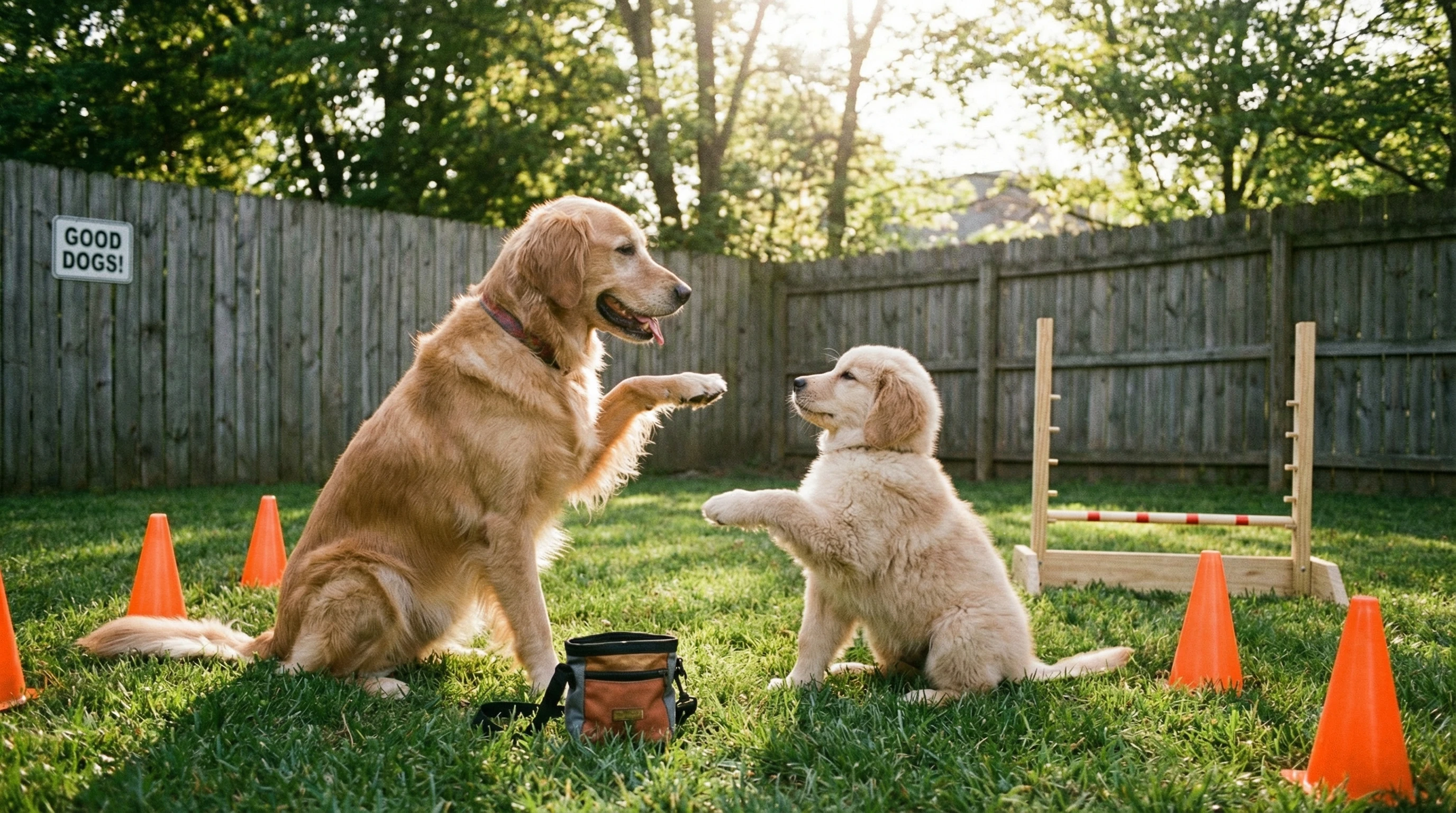
Why Training Basics Really Matter
Basic obedience isn’t just about having a dog that listens when you need them to. It’s essential for your dog’s safety, your peace of mind, and building a stronger relationship. Early training helps form good habits, sets clear expectations, and offers a fun way for you and your dog to bond. A confident, trust-filled routine keeps everyone happier.
Most people kick things off with commands like “sit,” “stay,” “come,” and sometimes “lie down.” These are handy in nearly every situation—from stopping your pup from darting through an open door, to keeping the peace during dinner time. But even with straightforward commands, simple mistakes can creep in. Spotting these early keeps frustration at bay and sets you both up for wins.
The Most Common Training Mistakes
Missteps are super common, no matter how experienced you are with dogs. I’ve watched seasoned owners fall into the same patterns, simply because these pitfalls are easy to overlook. Here are the most frequent slip-ups:
- Being Inconsistent: Using different cues, changing routines, or being flexible about rules can confuse your dog and make it harder for them to learn.
- Using Phrases Instead of Simple Words: Dogs latch on to single words better than full sentences. Stick to one clear word per command for best results.
- Poor Timing with Rewards or Corrections: If you wait too long to give feedback, your dog won’t always know which behavior you’re responding to.
- Dragging Out Training Sessions: Dogs have short attention spans. Sessions that last too long can bore or frustrate them.
- Practicing Only in One Place: Dogs are strong context learners and may only listen in familiar spaces unless you shake things up and practice elsewhere.
Other Things Trainers Should Watch for
Some mistakes aren’t about what you’re doing, but what you’re missing. These habits can seriously affect progress:
- Sticking Only to Treats: Treats work great at first, but switching it up with praise, a favorite toy, or a quick game keeps training fresh and builds stronger bonds.
- Repeating Commands: Repeating “sit” over and over just teaches your dog that responding right away isn’t necessary. Ask once, then help if needed.
- Forgetting Nonverbal Cues: Your dog reads your mood, posture, and gestures. If your words and body language don’t match or you seem tense, they’ll pick up on it quickly.
- Losing Patience: Your dog can sense when you’re getting frustrated. Training works best as a relaxed, positive experience—being in a rush slows things down.
Solid Foundations: Getting Started on the Right Paw
Before you get into regular training, a little prep goes a long way. Thinking about timing, setting, and what you need can make things run a lot more smoothly. Here’s what I’ve learned from coaching others:
- Choose a Calm Spot: Start indoors or in a quiet backyard where distractions are limited. The less there is to look at or sniff, the better your dog will focus.
- Have Rewards Sorted: Anything motivating for your dog—treats, toys, belly rubs—should be ready, but keep them hidden until it’s reward time.
- Short Sessions Win: Five to ten minutes is plenty. End on a high note while your dog is still interested, rather than dragging things out.
Digging Into the Top Mistakes (and Smart Fixes)
Mixing Up Words or Being Inconsistent
If sometimes you say “come here” and other times you call “here” or just “come,” that mixed messaging slows your dog’s ability to track what you want. Dogs love routine and predictability. Pick one word per command and stick to it. Make sure everyone in your family does the same, so your dog gets a clear message every time.
Timing Rewards Incorrectly
Rewarding a few seconds late makes things confusing. Your dog may not know why they earned that treat or praise. Try practicing your own timing—without your dog—using a clicker or saying “yes” at the right instant so you’re quick when training for real.
Chasing After Repetitions
It’s common to start repeating yourself if your dog hesitates. But doing this only tells them listening right away isn’t critical. Say the command once, wait a moment, then gently help your dog get it right. If needed, reset or try again. Staying patient is a big key here.
Introducing Distractions Too Fast
Your dog might be a star in the living room but struggle in the local park. Slowly introduce new people, sounds, and sights, little by little. Start by training near a window, add backyard practice, then gradually hit busier places. This approach helps your dog feel more confident everywhere.
Not Generalizing Commands
Dogs don’t automatically know a command means the same thing in every setting. That’s generalization—helping your dog connect that “down” means “lie down” at home, at the vet, at a friend’s house, or in a park. Mix up locations, have friends practice with your dog, and even try different times of day to make skills stick no matter where you are.
Extra Tools and Creative Ideas for Training
Simple gadgets and fresh approaches can be game changers if things are getting stuck. Here are some helpful options I often use:
- Clickers: These handheld gizmos make a distinct sound to mark the exact moment your dog gets it right. For more about clicker training, reliable sites like ASPCA and K9 Training Institute have great starter guides.
- Lightweight Training Leashes: A long but light leash gives some freedom but makes sure you’re still in charge if something exciting happens nearby.
- Treat Bags: Having your rewards handy means you’re not fishing in your pocket and can keep your attention on your dog. It makes switching up rewards smoother and faster.
Frequently Asked Questions
There are always plenty of “what if” questions with training. Here are a few that come up a lot—along with practical answers to keep you on track.
Question: How often should I train my dog?
Answer: Short sessions are best. Aim for a few sessions each day lasting five or ten minutes. Repetition with plenty of little breaks, plus making it fun and upbeat, helps your dog learn faster and stay interested.
Question: My dog pays attention at home but won’t listen at the park. What’s wrong?
Answer: Your dog needs practice in new places! Gradually add distractions in training and practice commands all over—inside, outside, with visitors, and in busier spots—so your dog gets what you expect no matter the setting.
Question: Is it bad to use treats?
Answer: Not at all. Treats are really helpful for early stages. When your dog understands a command, mix in play, affection, or praise so your dog learns to enjoy working for a variety of rewards, not just food.
Putting Everything Together: Your Path to Better Training
Great training is all about consistency, plenty of patience, and keeping things as positive as possible. Start with the basics, be clear about your expectations, and remember to enjoy the small successes—those are what lead to big changes. Every training session is a chance to get to know each other better.
With good planning and the right mindset, both you and your dog can find joy in working together. Soon, those basic commands will feel like second nature, and you’ll have built a trusting partnership that lasts. The process takes some time, but it’s worth every minute.
🐾 Human Errors: A Dog’s Guide to Training Your Person
By Samuel P. Dawg (Chief Executive Tail-Wagger)
Hey there, fellow pups and the humans who hold our leashes! I’ve been watching my human “train” me for years, and let me tell you—sometimes they make things way harder than they need to be. We dogs actually want to listen (mostly because of the snacks), but sometimes the instructions we get are a bit “ruff.” If you want to stop the confusion and get more “Good Boy” head scratches, here is my take on the mistakes your humans are probably making.
Why We Care About the Basics
Look, I know “Stay” sounds boring when there’s a squirrel to chase, but these basic commands keep us safe and out of trouble. When we know exactly what you want, we feel more confident and less anxious. Plus, a human who isn’t frustrated is a human who gives better belly rubs!
The Top “Paw-falls” Humans Fall Into
I’ve seen it a thousand times at the park. Here is where humans usually trip over their own paws:
The “Chatty Cathy” Mistake: Humans love to talk. They say, “Samuel, buddy, would you please just sit down for a second?” By the time they finish the sentence, I’ve forgotten what they wanted! Just say “Sit.” One word, nice and clear.
Wobbly Rules: If I’m allowed on the couch on Monday but get scolded for it on Tuesday, my tail stops wagging and my brain starts hurting. We need consistency!
Slow-Motion Snacks: If I sit and you wait five seconds to give me a treat, I might think I’m being rewarded for the sneeze I did after the sit. Timing is everything!
The “Broken Record”: If you say “Sit, sit, sit, sit,” I just learn that I don’t have to listen until the fourth time. Say it once, then wait.
The Living Room Trap: Just because I’m a star in the kitchen doesn’t mean I know what “Down” means at the noisy park. We dogs are “context learners”—we need to practice in different spots!
Samuel’s Strategy for Success
If you want to be a “pro” trainer, try these dog-approved tips:
Keep it Snappy: Our attention spans are like… oh look, a butterfly! Keep sessions to 5–10 minutes so we stay excited.
Hide the Goods: I love treats, but if I see them in your hand, I might only be focusing on the food, not your cue. Keep them in a pouch until I earn them!
Read My Body: I’m constantly watching your posture and mood. If you’re stressed, I’m stressed. Let’s keep it fun!
The “Yes!” Factor: Use a clicker or a happy “YES!” the second I do the right thing. It’s like a bell ringing that says “Snack incoming!”
Samuel’s Pro-Tip: If I’m not listening at the park, I’m not being “bad”—I’m just overwhelmed! Take a step back, find a quieter corner, and help me find my focus again.
If you need more help for your Human, send them to my friend Eric Presnall. Before working with the K9 Training Institute, Eric was the host of the hit Animal Planet TV show “Who Let the Dogs Out”. Have them check out his fantastic FREE workshop. Tell them Sam sent you.
Samuel P. Dawg