
Rewardbased training is really popular among dog owners and trainers these days because it builds a relationship with your pet that’s based on trust and motivation rather than fear or pressure. This approach uses things like treats, toys, or praise to reinforce behaviors you’d like to see more of. Even though the concept sounds simple, there are some easytomiss pitfalls that can actually slow down progress or end up confusing your dog. After working with plenty of new trainers and pet owners, I’ve picked up some useful insight on what tends to go wrong. I’ll share these common mistakes and how to sidestep them to keep your training sessions smooth and effective.
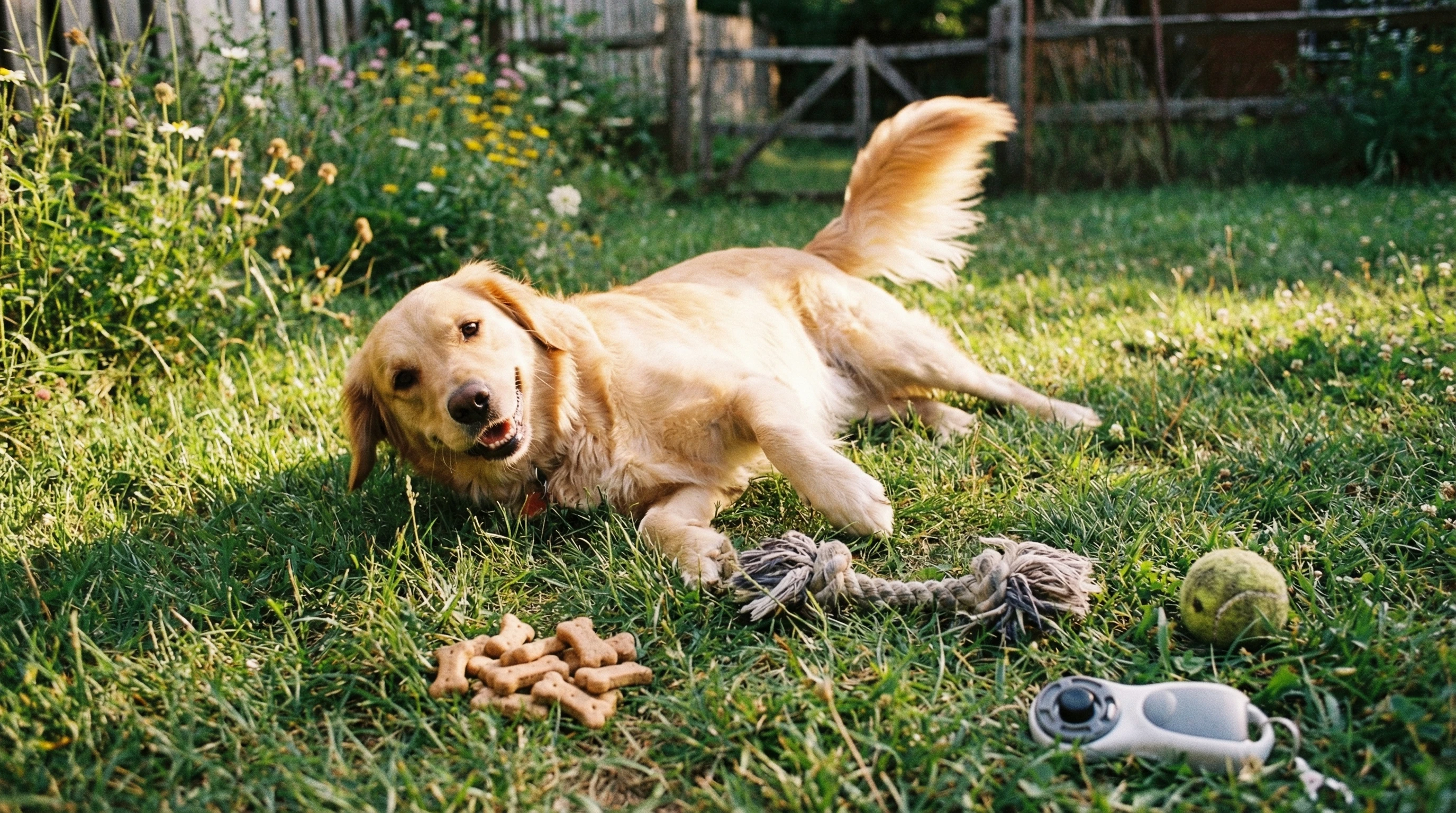
A Quick Overview: RewardBased Training Basics
Rewardbased training focuses on encouraging your dog to repeat good behavior by offering something they like in return. Positive reinforcement, like treats, toys, or even a quick belly rub, lets your dog know when they’ve done something right. This method helps your pup enjoy training sessions instead of dreading them, making the learning process smoother and easier for everyone.
Sticking to this approach helps strengthen your bond, since your dog learns to trust you for clear guidance and rewards. It’s no surprise that most animal experts recommend this route for both new and experienced trainers. However, getting the basics right early on is really important for longterm success. Dogs who learn through rewards tend to be more relaxed and enthusiastic participants, which paves the way for trying more advanced skills someday. Plus, by setting up a positive learning environment, you encourage your dog to see training time as an opportunity for fun.
Common Mistakes People Make With RewardBased Training
Plenty of wellmeaning trainers slip up in a few key areas. Most of these mistakes are simple enough to avoid once you know what to look out for, so here’s a rundown of problems I’ve seen most often, along with tips that’ll help.
- Inconsistent Timing: Giving rewards too late or too early can be confusing for your dog. They might not connect the reward to the behavior you wanted to reinforce, which leads to mixed signals.
- Using the Same Reward Every Time: Relying only on treats might cause your dog to lose interest or stop responding if they get bored. Mixing up the type of reward keeps things fresh and keeps your dog motivated.
- Accidentally Rewarding Unwanted Behavior: It’s easy to mistakenly reward jumping, barking, or other behaviors you’re trying to cut out. Sometimes, even looking at your dog or laughing can act as a reward.
- Expecting Instant Results: Training takes time, and dogs progress at their own pace. Frustration can set in if you expect too much too soon, which isn’t fair to you or your dog.
- Poor Communication: Using inconsistent cues, commands, or hand gestures creates confusion for your dog. Stick to clear, short, and repeatable instructions.
As another example, some folks forget to adjust their approach as their dog grows and learns, leading to a plateau in training. Refreshing your techniques and keeping a flexible mindset helps avoid these common traps.
How to Catch These Mistakes Before They Set You Back
Most of these problems show up because we’re not always aware of how our actions affect a dog’s learning process. When I notice things aren’t going smoothly, I try to check my timing, watch my body language, and stay alert to my own habits first. Even something as subtle as reaching into your treat pouch too early can make your dog focus more on the reward than on what you’re asking them to do.
Here are a few tips that work for me to catch errors early:
- Give the reward within one to two seconds after the desired behavior.
- Pay attention to where your hands and eyes go, since dogs key in on body language.
- Mix up rewards: sometimes it’s a treat, sometimes a game with a favorite toy, or heartfelt praise.
- Pause and think before reacting; a deep breath gives you time to make sure your actions line up with your goal.
- Keep notes after a session—writing down what went well or what seemed confusing can highlight patterns over time.
A “Quick Start” Guide to Doing RewardBased Training Right
To get started on the right foot, here are a few steps that help keep things straightforward and positive:
- Pick Easy Behaviors First: Focus on simple commands like “sit,” “down,” or “touch.” This builds confidence and helps you master timing before moving on to harder tasks.
- Keep Training Sessions Short: Sessions that last five to ten minutes are easier for your dog to enjoy and help them stay interested.
- Reward the Right Behavior: Stay alert so you’re only giving rewards for behaviors you want to see more of. If you accidentally reward jumping or barking, try to ignore those and wait out the good stuff.
- Fade Out Treats Gradually: Once your dog gets the hang of a command, you can start mixing in verbal praise or toys instead of treats to make sure the behavior sticks even when food isn’t on the table.
- Consistent Cues Work Wonders: Always use the same word or signal for the same behavior. Family members should try to match each other, so the dog doesn’t get mixed up.
- Stay Flexible: If your dog isn’t responding, check if the environment is too distracting or if you need to up the value of your reward. Adjusting on the fly shows your dog you’re tuned in.
Things People Usually Overlook When Training With Rewards
Even experienced trainers (myself included) sometimes miss little details that slow things down. Here are a few that come up a lot:
- Ignoring Environmental Changes: Dogs who nail a command at home sometimes freeze in new places. Practicing in different areas helps your dog generalize the behavior beyond just the living room.
- Unintentional Reinforcement From Others: Friends, kids, or even visitors might give attention (which acts as a reward) for bad habits. It helps to clue everyone in on the behaviors you’re rewarding or ignoring.
- Not Reading Your Dog’s Mood: Training when your dog is tired, stressed, or distracted doesn’t produce great results. It’s OK to wait for a better moment.
- Overusing Excitement: Too much energy or encouragement from you can actually ramp up your dog and make it hard for them to focus.
- Skipping WarmUps: Sometimes jumping right into training means your dog isn’t mentally ready. Take a minute to let them relax before starting.
Timing: Your Secret Weapon
Timing matters a lot in rewardbased training. I’d say this is probably the trickiest part, and it’s where trainers of all levels trip up. Dogs live in the moment, so a reward needs to come right after the intended behavior, ideally within one or two seconds. If you’re late, your dog can think you’re rewarding whatever they did last, like looking away or scratching.
For behaviors that happen really fast, such as nose targeting or coming when called, I’ll often use a “marker” word like “yes!” or a clicker. This marks the exact moment your dog gets it right, then you follow up quickly with the treat. Markers are a super handy training tool that help improve your timing and your dog’s understanding, especially when you can’t get a treat out that second. Practicing with a marker helps you sharpen your timing—and makes your communication extra clear.
Choosing the Right Reward
It’s easy to reach for treats every single time, but not every dog is food motivated all the time. Try swapping in other things your dog really loves, like tug toys, ball tosses, or a quick play session. Some dogs go wild for praise, while others prefer a belly scratch or sniffing a favorite spot.
Keeping a variety of rewards on hand helps you read what motivates your own dog in the moment and keeps training fun for both of you. I try to “rank” rewards from basic to alltime favorites, so for harder or more distracting tasks, my dog gets something extra special. You might also notice your dog’s interests change over time—so don’t be afraid to keep experimenting.
RealWorld Examples From Home and Public Spaces
Rewardbased training works anywhere, but changing the environment can make a huge difference in how well your dog responds. At home, your dog might nail a sit or down every time. Take the same task to a busy park or your friend’s backyard, and you’ll probably need to go back to basics with better rewards and more patience. Remember, extra distractions mean you may need to use highervalue rewards or break tasks into smaller steps.
- At Home: Teaching “leave it” with treats on the kitchen floor, rewarding calm eyes or a step back.
- On Walks: Using highvalue treats to redirect attention back to you when a squirrel runs by.
- With Guests: Rewarding your dog for sitting calmly when people arrive, instead of jumping up.
Every setting helps your dog practice and learn that listening leads to good things no matter where you are. That adaptability really adds to your dog’s confidence outside the home.
Frequently Asked Questions
Some common questions always come up when I talk to folks getting started with rewardbased training. Here’s what I hear most, along with my honest answers:
Question: What if my dog isn’t food motivated?
Answer: Try using toys, play, or even the chance to go sniff something as rewards. Every dog has something they really enjoy. Watch what lights your dog up, and use that in training.
Question: How do I stop using treats?
Answer: Gradually phase out food by adding verbal praise or playtime after the dog learns a command. Then only use treats for really tricky situations or to keep things exciting every so often.
Question: My dog seems bored during sessions. What can I do?
Answer: Shake things up by teaching new tricks, changing locations, or trying different types of rewards. Keep sessions short and quit while your dog is still excited to try more.
Question: How long does it take to see results?
Answer: Every dog learns at a different pace, but being consistent with short, regular sessions usually leads to noticeable progress in a few weeks. Patience and steady practice pay off.
Takeaways for Better Success With RewardBased Training
Rewardbased training isn’t just about treats and toys; it’s also about timing, consistency, and understanding your dog’s unique personality and motivations. Catching common mistakes early, mixing up rewards, and staying patient make a big difference in how much your dog learns and, more importantly, how much fun you both have. If you’re mindful of these reallife pitfalls and adjust as you go, your training sessions can lead to lasting, happy results for you and your fourlegged friend. Keep celebrating small wins, stay curious, and enjoy building a stronger bond every step of the way!
🐾 Oops! My Human Made a Mistake: How to Keep Our Training on Track
By Samuel P. Dawg (Professional Learner & Treat-Critic)
Hello friends! Usually, I’m telling you how great training is, but today I want to talk about the “Oops” moments. Even the best humans get a little confused sometimes, and when they do, us dogs get confused too. If you want our training sessions to be as smooth as a fresh jar of peanut butter, keep an eye out for these common human hiccups!
Why Small Mistakes Matter
Reward-based training is all about trust and motivation. When it works, I feel like a genius! But if the signals get mixed, I might start guessing what you want, which makes me feel a bit anxious. Avoiding these “pitfalls” helps me relax and keep that tail wagging.
Common Human “Hiccups”
I’ve seen plenty of well-meaning humans slip up here. Don’t worry, it happens! Just watch out for these:
The “Slow Motion” Reward: If I sit and you wait five seconds to give me a treat, I might think I’m being rewarded for scratching my ear or looking at a bird. Timing is everything!
The “Broken Record” Snack: If you only ever give me dry biscuits, I might lose interest. Mix in some cheese or a quick game of tug to keep me guessing.
Accidental “Bad Boy” Rewards: Sometimes when I bark or jump, you laugh or look at me. To a dog, attention is a reward! Try to ignore the silly stuff and save the love for the good stuff.
Too Much, Too Soon: Don’t expect me to be a pro on day one. Training takes time, and sometimes I just need a nap.
Samuel’s Tips for a Perfect Session
To keep me focused and happy, try these steps:
Be a Speed Demon: Get that reward to me within one or two seconds of my good behavior.
Watch Your Body: I’m a pro at reading your body language. If you reach for the treat pouch too early, I’ll stop listening to your words and just stare at your hand!
Keep it Short: Five to ten minutes is perfect. I have a very busy schedule involving naps and squirrel-watching, you know.
Use a “Marker”: A happy “Yes!” or a clicker tells me exactly when I got it right, even if it takes you a second to dig out the treat.
Training in the “Real World”
I might be a star in the living room, but the backyard is full of distractions! If I suddenly “forget” how to sit at the park, don’t get frustrated. It just means the environment changed and I need a little more patience (and maybe a smellier treat) to focus again.
Samuel’s Pro Tip: If I seem bored or tired, let’s just stop! It’s better to end on a happy “win” than to keep pushing when my brain is full. We can always try again after my afternoon snooze.
If you need more help for your Human, send them to my friend Eric Presnall. Before working with the K9 Training Institute, Eric was the host of the hit Animal Planet TV show “Who Let the Dogs Out”. Have them check out his fantastic FREE workshop. Tell them Sam sent you.
Samuel P. Dawg